Introduction
Tiger serpents are amongst one of the most well-known and feared reptiles in Australia, widely recognized for their striking look and potent venom. This article aims to look into the complexities of the tiger snake's habitat, distribution, behavior, and what one can expect when coming across these interesting creatures. By comprehending where to discover them and how to browse possible threats, you can appreciate their function in the environment while ensuring your security.
Tiger Snake Habitat: Where to Find Them and What to Expect
Tiger serpents are mainly discovered in southeastern Australia, including Tasmania, where they grow in a selection of environments. Their versatility permits them to inhabit diverse surfaces such as coastal areas, marshes, grasslands, and also metropolitan locations.
Geographical Distribution of Tiger Snakes
The geographical reach of tiger snakes expands throughout several Australian states. They are specifically typical in:
- Tasmania: The Tasmanian tiger serpent is one of one of the most recognized subspecies. Victoria: Discovered near water bodies like rivers and lakes. New South Wales: Favoring bushland locations close to water sources. Western Australia: Even more frequently seen around swamps and estuaries.
Understanding the geographical distribution is important for both conservation initiatives and public understanding regarding encounters with these snakes.
Preferred Environments of Tiger Snakes
Tiger serpents thrive in different habitats. Below are some normal settings where they may be found:
Wetlands: They like marshy or boggy locations where they can access target easily. Coastal Regions: Near beaches or rocky shorelines give abundant food resources like fish and amphibians. Forested Areas: Dense underwood supplies shelter from killers while offering searching grounds.Behavioral Patterns Related to Habitat
Understanding tiger snake behavior within their environments is crucial for interaction management:

- Nocturnal Activity: Tiger snakes tend to be a lot more energetic throughout golden hours (dusk and dawn), making them more difficult to find during daytime. Territorial Nature: They exhibit territorial habits; hence, it's critical to respect their space if encountered.
This understanding can aid reduce unwanted interactions between humans and tiger snakes.
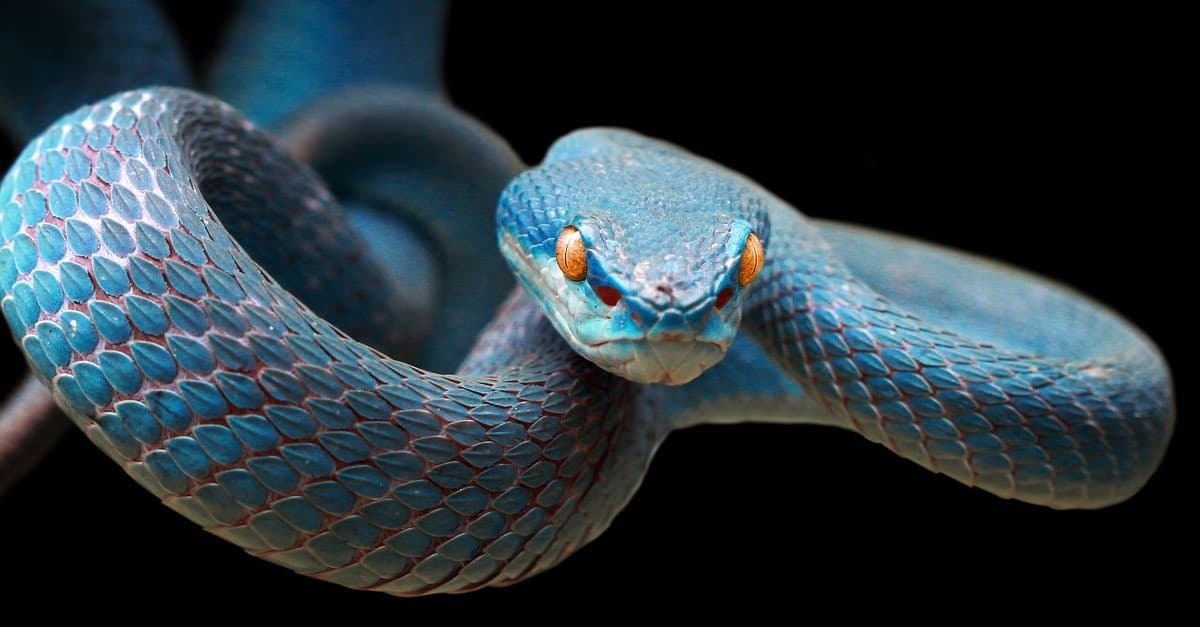
Are Tiger Snakes Venomous?
Yes, tiger serpents are certainly poisonous. Their poison contains neurotoxins that can cause paralysis or perhaps fatality if untreated.
What Makes Their Poison Dangerous?
The potency Check out here of a tiger serpent's poison varies depending on a number of variables:
- Geographic location Individual health Quantity injected during a bite
Symptoms of a Tiger Serpent Bite
Recognizing signs and symptoms early is vital:
- Pain at the bite site Swelling Difficulty breathing
Immediate clinical focus is crucial if bitten.
First Help for Snake Bites
Knowing emergency treatment procedures can be lifesaving in instance of a snake bite.
First Help Steps for Serpent Bites
Stay tranquility; keep the affected location still. Call emergency situation services immediately. Apply a stress plaster above the bite site. Keep the specific relaxing till assistance arrives.Following these steps can considerably boost end results adhering to a serpent encounter.
Where Else Can You Encounter Tiger Snakes?
While they're frequently located in their natural environments, urbanization has caused enhanced experiences with humans.
Urban Encounters
Tiger snakes may venture right into yards or parks looking for food or water sources.
Precautions When Hiking or Exploring
When checking out locations understood for tiger snake environments:
- Wear thick boots Stay on paths Be vigilant
Taking these precautions will help lessen risks while you appreciate nature.
Baby Tiger Snakes: An One-of-a-kind Viewpoint on Growth
Just like adults, child tiger snakes are born poisonous yet smaller in dimension.
Characteristics of Infant Tiger Snakes
- Size: Typically around 20-- 30 centimeters when born. Appearance: Sport similar coloration as adults however may have lighter bands initially.
Understanding their advancement helps in appreciating their ecological role from infancy onward.
FAQs regarding Tiger Snakes
1. Are all tiger snakes venomous?
Yes, all types of tiger snakes possess venom efficient in causing significant harm.
2. Exactly how can I recognize a tiger snake?
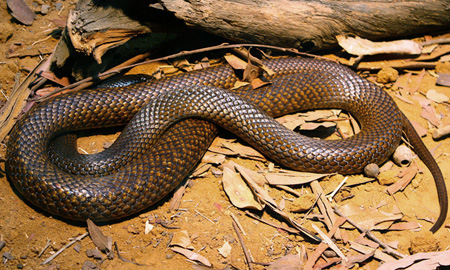
Look for distinctive banding patterns varying from yellowish-brown to blackish colors along their bodies; adults usually expand in between 1-- 2 meters long.
3. What need to I do if attacked by a tiger snake?
Seek instant medical interest; use first aid steps as reviewed earlier while maintaining calm.
4. Do baby tiger snakes present any kind of danger?
Absolutely! Despite their tiny dimension, child tiger most dangerous snake serpents are still venomous and can deliver bites that need serious clinical attention.
5. Are there any type of particular environments I should avoid?
Avoid going through thick underbrush or near stationary water where problems prefer serpent existence during warmer months.
6. Exactly how do preservation efforts influence tiger snake populations?
Conservation campaigns concentrate on environment conservation which directly impacts populace stability by guaranteeing sufficient food resources and risk-free breeding locations.
Conclusion
In summary, recognizing "Tiger Snake Environment: Where to Find Them and What to Anticipate" not just enriches our understanding regarding first aid kit with snake bite these impressive reptiles however likewise improves our capacity to exist side-by-side securely with them in shared settings. From recognizing their chosen environments to understanding just how to react efficiently if bitten, extensive expertise equips all of us-- whether we're wildlife fanatics or laid-back hikers-- to appreciate this interesting facet of Australia's natural heritage while prioritizing our safety.
This post acts as an extensive guide on every little thing related to tiger serpent habitats! Whether you're a serious traveler or someone looking just for information about these creatures, understanding just how they interact within their ecosystems-- and how we suit that photo-- is crucial!